
Ultimate Bug Out Bag List (2026): 73 Survival Items You Should Pack for a 72-Hour Emergency
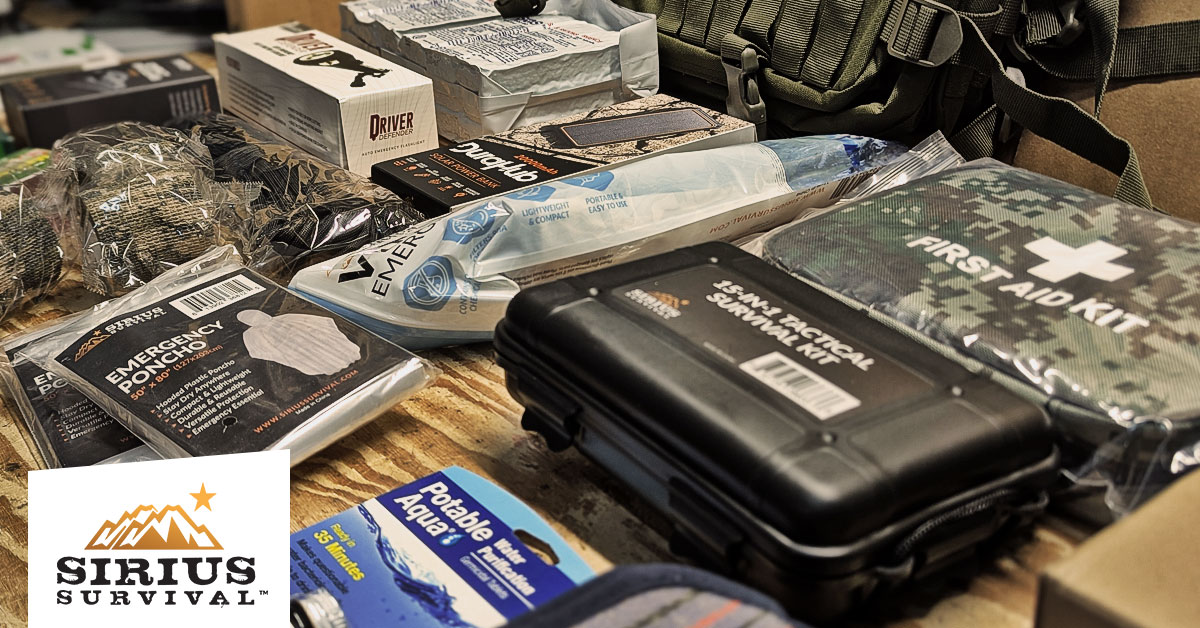
When disaster strikes, you may only have minutes to leave your home. A bug out bag (BOB) is a portable emergency survival kit designed to keep you alive for at least 72 hours during an evacuation.
Natural disasters, infrastructure failures, wildfires, civil unrest, and power grid outages can all force people to leave their homes quickly. Having a properly prepared bug out bag means you can grab your gear and move immediately without scrambling for supplies.
In this guide, we’ll walk through the complete bug out bag list, explain why each item matters, and help you build a survival kit that actually works in real emergencies.
What Is a Bug Out Bag?
A bug out bag is a pre-packed emergency backpack containing essential survival gear that allows you to evacuate quickly and remain self-sufficient for several days.
Most survival experts recommend that bug out bags be capable of supporting a person for a minimum of 72 hours, although many preppers extend this to 5–7 days.
Unlike home emergency kits, bug out bags must be:
- Portable
- Durable
- Lightweight
- Designed for survival on the move
Many families maintain 1 to 2 bags per person, along with additional supplies for children and pets.
The Six Survival Priorities
Any effective bug out bag must address the six core survival priorities:
- Water
- Food
- Shelter
- Fire (warmth)
- Medical care
- Tools and navigation
These categories cover the fundamental needs required to survive during most disaster scenarios.
The Complete Bug Out Bag Checklist
Below is a comprehensive breakdown of everything you should consider packing in your bug out bag.
1. The Backpack
The bag itself is the foundation of your entire kit. A poorly designed pack can make even a well-equipped survival kit difficult to carry. Our 50L tactical backpack we consider the gold standard for this.
Look for the following features:
- 30–50 liter capacity
- Reinforced stitching
- Comfortable shoulder straps
- Waist support belt
- Water-resistant materials
- Multiple compartments
A good pack distributes weight evenly and allows you to carry your gear comfortably for extended periods.
Many preppers prefer military-style tactical backpacks because they are durable and modular.
2. Water and Hydration
Water is the most critical survival need. Humans can survive weeks without food but only three days without water.
Your bug out bag should include:
- 1–3 liters of water
- A durable water bottle or canteen
- A portable water filter
- Water purification tablets
- A collapsible water container
- A metal cup for boiling water
Water filters are especially important because they allow you to safely drink from natural water sources such as streams, ponds, or rivers.
A general rule is one liter of water per person per day at minimum, though more is recommended in hot environments.
3. Emergency Food
Bug out bag food should be lightweight, calorie-dense, and have a long shelf life.
Recommended foods include:
- Emergency ration bars
- Freeze-dried meals
- Energy bars
- Jerky
- Trail mix
- Peanut butter packets
- Instant oatmeal
- Electrolyte drink mix
Focus on foods that require little or no preparation.
Most experts recommend packing 1200–2000 calories per day per person.
4. Shelter and Protection from the Elements
Exposure to extreme weather can become dangerous faster than many people realize.
Your bug out bag should contain items that allow you to quickly build temporary shelter.
- Emergency bivvy sack
- Mylar survival blanket
- Lightweight tarp
- Paracord (50–100 feet)
- Tent stakes
- Sleeping pad or foam pad
A tarp and paracord combination allows you to build many different shelter configurations depending on terrain and weather conditions.
5. Fire Starting Equipment
Fire provides warmth, light, cooking capability, and psychological comfort during stressful situations.
Your kit should include multiple fire-starting methods in case one fails.
- Waterproof matches
- Lighter
- Ferrocerium rod
- Fire starter cubes
- Cotton balls with petroleum jelly
- Fatwood sticks
Always store fire starters in waterproof containers.
6. Clothing and Weather Protection
- Wool socks
- Extra underwear
- Lightweight rain poncho
- Warm hat
- Gloves
- Thermal base layers
- Buff or neck gaiter
Wool is often preferred because it retains warmth even when wet.
Even mild temperatures can lead to hypothermia if clothing becomes wet or inadequate.
7. First Aid and Medical Supplies
Basic first aid supplies include:
- Adhesive bandages
- Gauze pads
- Medical tape
- Antiseptic wipes
- Pain relievers
- Anti-diarrheal medication
- Antihistamines
- Prescription medications
Trauma supplies may include:
- Tourniquet
- Compression bandage
- Hemostatic gauze
- Chest seals
8. Survival Tools
- Fixed blade knife
- Multi-tool
- Folding saw
- Duct tape
- Zip ties
- Sewing kit
- Work gloves
A strong knife is one of the most important survival tools because it can be used for food preparation, shelter building, and self-defense.
9. Lighting and Power
- Headlamp
- Compact flashlight
- Extra batteries
- Solar charger
- Power bank
- Hand crank flashlight
Headlamps are particularly useful because they allow you to keep both hands free.
10. Navigation and Communication
- Local maps
- Compass
- Emergency radio
- Whistle
- Notebook and pen
Emergency radios can provide critical information during power outages.
11. Hygiene and Sanitation
- Toothbrush and toothpaste
- Wet wipes
- Hand sanitizer
- Travel soap
- Toilet paper
- Feminine hygiene products
- Trash bags
12. Important Documents and Cash
- Driver’s licenses
- Passports
- Insurance policies
- Medical records
- Emergency contact lists
- Property documents
You should also keep cash in small bills, since credit card systems may not be available.
13. Personal Protection
- Pepper spray
- Tactical flashlight
- Personal alarm
- Firearm and ammunition (where legal)
How Much Should a Bug Out Bag Weigh?
Weight is an important factor in bug out bag design.
Recommended guideline: 10–20% of your body weight.
| Body Weight | Recommended Bag Weight |
|---|---|
| 150 lbs | 15–25 lbs |
| 180 lbs | 18–30 lbs |
| 200 lbs | 20–35 lbs |
Where to Store Your Bug Out Bag
- Near the front door
- In a bedroom closet
- In a garage entryway
- In your vehicle
Some people also maintain a secondary vehicle bug out bag for emergencies that occur while traveling.
Common Bug Out Bag Mistakes
- Overpacking – too much gear makes the bag difficult to carry.
- Ignoring water – purification is often more important than quantity.
- Failing to test gear – practice before emergencies happen.
- Not updating supplies – food, batteries, and meds expire.
Final Thoughts
Building a bug out bag is one of the most important preparedness steps you can take.
While no kit can prepare you for every situation, a properly designed bug out bag gives you the essential tools needed to survive during the critical first days of an emergency.
The key is preparation.
When disaster strikes, you won’t have time to pack — you’ll only have time to grab your gear and move.
A well-equipped bug out bag ensures you’re ready.